
Description
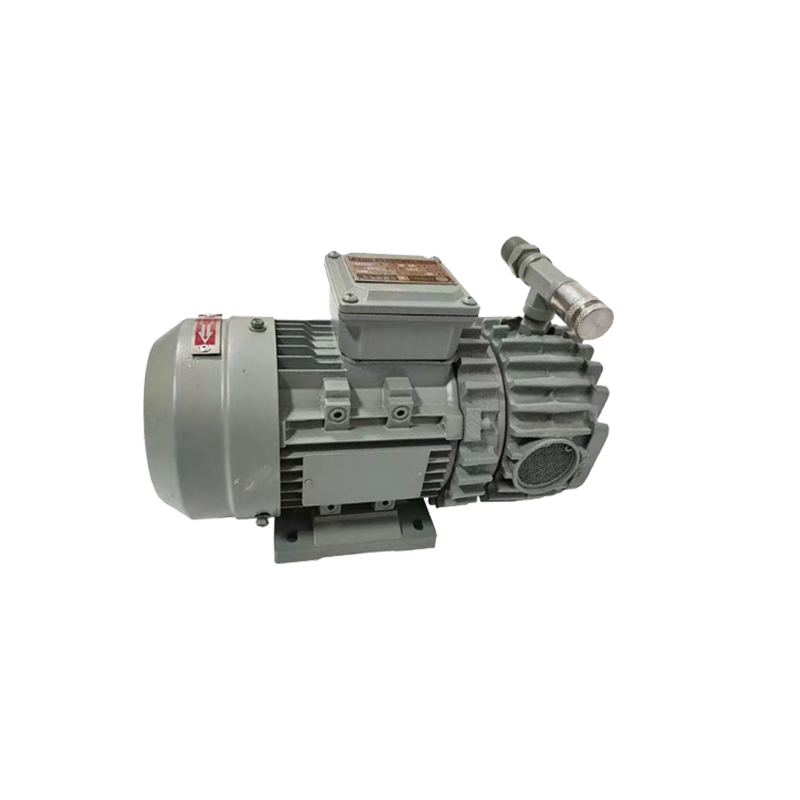
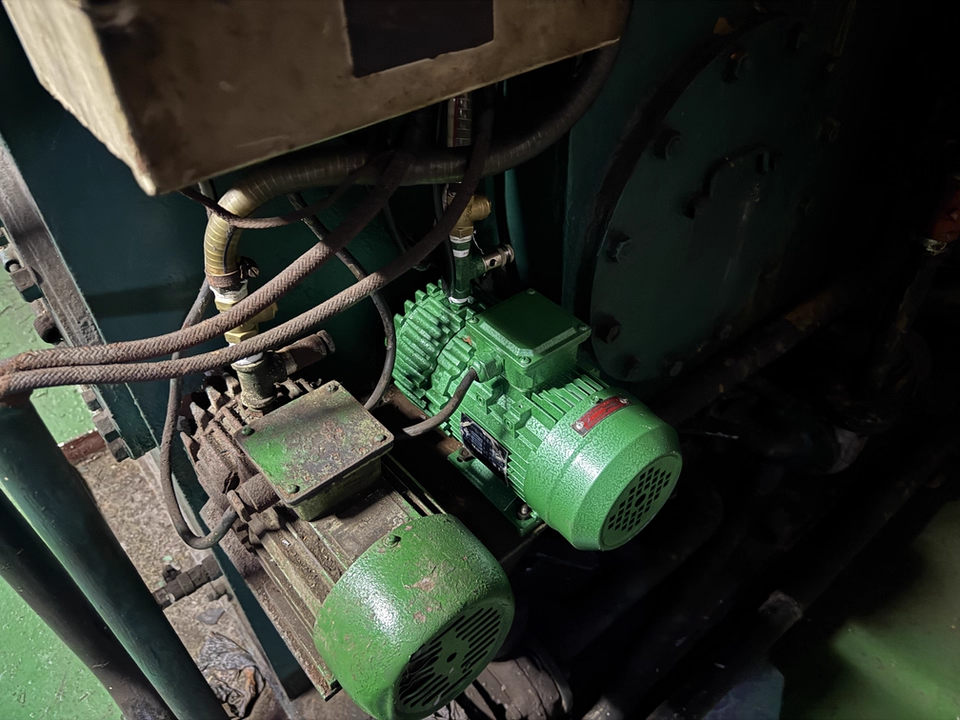
CZQ type self-lubricating air pump
一、 Overview
ZQ Series marine air pump is the self lubricating Sliding-vane air pump,which has the features of smaill size, lighe weight, energy-saving,and clean exhausted air with no oil poilution,etc. It can meet the requirement for marine uses.
CZQ series marine air pump is designed specially as the auxiliary equipment for marine sanitary sewage disposal system, it is also applicable to the industries of printing machinery packing, blow molding, and light fittings etc.
二、Main technical performance parameters
|
Serial Number |
Type |
Q
m3/h |
Pressure Mpa |
Speed
r/min |
Power
Kw |
Inlet piping Dia mm |
Weight
Kg |
| 1 | CZQ-6 | 6 |
60 |
1400 |
0.25 | 16 | 13 |
| 2 | CZQ-10 | 10 | 0.37 | 16 | 14 | ||
| 3 | CZQ-15 | 15 | 0.55 | 20 | 16 | ||
| 4 | CZQ-20 | 20 | 0.75 | 20 | 18 | ||
| 5 | CZQ-25 | 25 | 1.1 | 27 | 34 | ||
| 6 | CZQ-40 | 40 | 1.5 | 27 | 38 |
How to choose a self-lubricating air pump?
For a detailed purchasing guide on self-lubricating air pumps, you can consider the following aspects:
I. Understanding the Basic Principles and Types of Self-Lubricating Air Pumps
Basic Principles:
Self-lubricating air pumps utilize special materials and structures to operate without external lubrication, preventing gas contamination. They are suitable for applications requiring clean gas, such as oxygen delivery and the electronics industry.
Common Types:
Rotary Vane Self-Lubricating Air Pump: Utilizes rotating vanes to generate gas flow. Simple structure, suitable for medium to low pressure applications.
Roots (Cam-type) Self-Lubricating Air Pump: Delivers gas through rotor meshing, offering higher pressure and flow rates, and higher efficiency.
Sliding vane type, gear type, etc.: Performance varies depending on the specific operating conditions.
II. Detailed Parameter Selection
Flow Rate (Q):
Determine the required gas flow rate based on actual operating conditions. Units are typically m³/h or L/min.
When purchasing, choose a model with a rated flow rate slightly higher than the actual requirement, allowing for a margin to improve pump lifespan and reliability.
Pressure (P)
The operating pressure range, such as supply pressure or vacuum level, needs to be understood, generally from 0.1 MPa to 0.7 MPa or higher.
Ensure the pump’s maximum allowable pressure is higher than the system requirements to avoid pump overload.
Drive Power
Calculate or refer to the manufacturer’s recommended motor power based on the pump’s flow rate and pressure.
Allow a power margin of approximately 10%-20% to ensure a safety margin.
Speed
Self-lubricating air pumps typically operate between 1000 and 3600 RPM. Select the appropriate speed based on the load.
Excessive speed increases wear and affects self-lubricating life; insufficient speed may not achieve the required flow rate.
III. Material and Structural Design
Pump Body Material
Commonly used materials include aluminum alloy, cast iron, and stainless steel, selected based on the media properties.
Stainless steel is more reliable for handling corrosive or easily oxidizing gases.
Internal Component Materials
Self-lubricating components utilize materials reinforced with graphite, polytetrafluoroethylene (PTFE), and carbon fiber to improve wear resistance and lubrication performance.
Pay attention to the high temperature resistance and corrosion resistance of the materials to ensure a long service life.
Sealing Design
Sealing performance directly affects the efficiency of the air pump.
Use wear-resistant and corrosion-resistant mechanical seals or special self-lubricating sealing materials to prevent gas leakage.
Cooling Method
Some air pumps are equipped with air-cooling or water-cooling devices to improve operational stability and extend service life.
Select the appropriate cooling method according to the operating environment.
IV. Performance Indicators and Operating Characteristics
Noise Level
Self-lubricating air pumps generally have low noise levels, suitable for indoor environments, but the noise level in decibels still needs to be considered; select a model that meets the requirements of the working environment.
Vibration
Air pumps with stable structures and low vibration help reduce mechanical wear.
Efficiency
High-efficiency air pumps save energy and reduce consumption; refer to the efficiency data provided by the manufacturer when selecting.
Service Life
Pay attention to the wear life of the pump bearings and impeller; materials and lubrication methods are key factors.
V. Installation and Maintenance
Installation Environment
Keep the pump dry and well-ventilated, avoiding dust and corrosive gases.
Ensure the installation foundation is stable to reduce vibration.
Ease of Maintenance
Self-lubricating air pumps require no external lubricant, reducing maintenance.
Choose a compact, easily disassembled design for regular inspection.
Critical component replacement plans are available, and spare parts are readily available.
Installation Precautions
The air pump’s inlet and outlet pipelines should be rationally arranged to minimize bends and improve work efficiency.
Equip with a necessary filtration system to prevent impurities from entering the pump body.
VI. Brand and Certification
Choose reputable brands to ensure product quality and technical support.
Check if the product has ISO9001 quality system certification, CE certification, and other relevant certificates.
Provide comprehensive after-sales service and technical support.
VII. Price and Budget Considerations
Prices vary significantly between brands depending on performance and configuration. It is recommended to comprehensively consider performance, after-sales service, and budget for reasonable procurement.
Avoid using the lowest price as the sole selection criterion; focus on long-term operating costs and stability.
VIII. Typical Application Cases and Reference Suggestions
If used with oxygen-containing media, a completely oil-free, self-lubricating air pump must be used to avoid safety hazards.
In wastewater treatment aeration systems, models with high flow rates and stable pressure should be selected.
In the pharmaceutical and chemical industries, in addition to requiring oil-free materials, attention must also be paid to the corrosion resistance of the materials and the cleanliness of the gas.

Reviews
There are no reviews yet.