

Description
Self-priming device
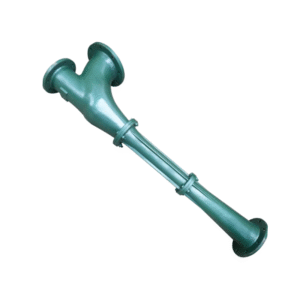
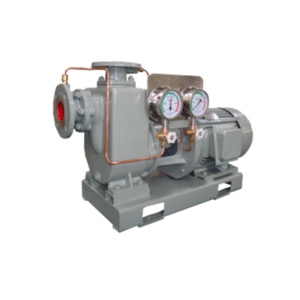
The self-priming device achieves suction by injecting gas. It is small, lightweight, and easy to use. It can be directly mounted on the pump frame and connected to the pump’s suction port, enabling pumps without self-priming capability to do so. The self-priming device ensures that the pump automatically starts when it is full of water and automatically shuts off after the pump starts. It is particularly suitable for use with marine centrifugal pumps.
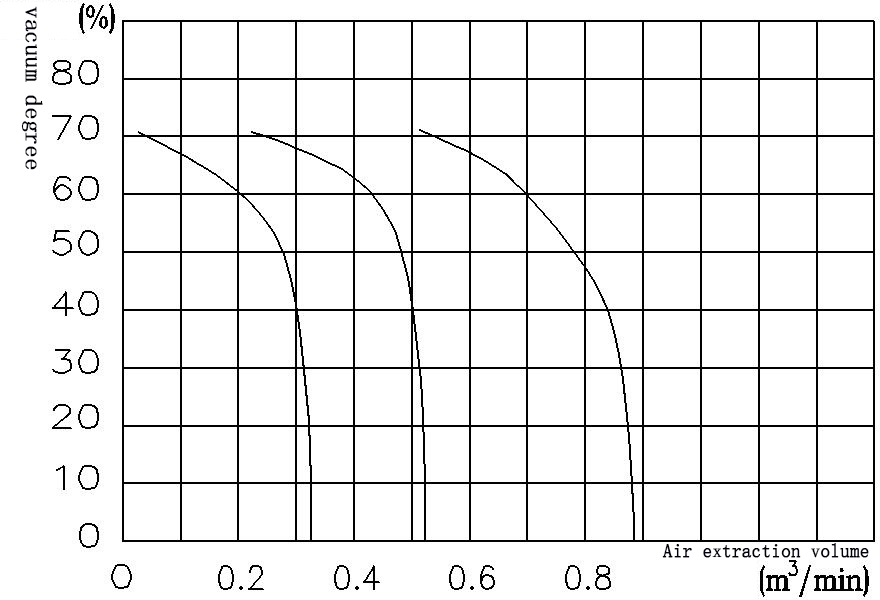
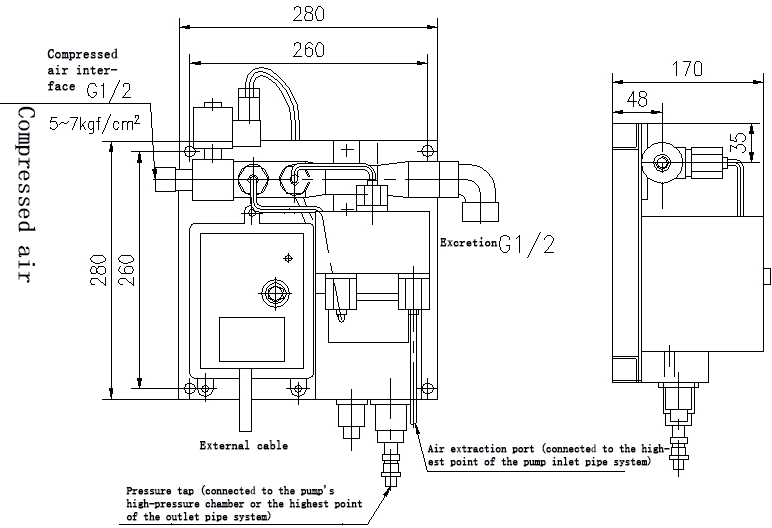
There are three models/specifications: CZX-0.3, CZX-0.5, and CZX-0.8. For example, CZX-0.5 indicates a self-priming device with a pumping capacity of 0.5 m³/min. The three models/specifications have the same external installation dimensions; only the internal dimensions of the injector differ. Users can select the appropriate specification based on the performance curve.
How to choose a self-priming device?
I will provide you with a detailed purchasing guide for “Marine Self-priming Devices,” analyzing it step by step and covering technical parameters, structural design, material selection, and practical precautions to help you fully grasp the key points of procurement.
I. Understanding the Basic Functions and Importance of Marine Self-Priming Devices
Marine self-priming devices are crucial equipment for automatically filling water into the pump during startup, assisting centrifugal pumps (such as fire pumps and cooling pumps). They effectively remove air from the pump chamber and suction pipe, ensuring the pump is fully filled with liquid, preventing cavitation or dry running during startup, and ensuring normal pump operation and extending its lifespan.
II. Clarifying Your Needs and Operating Parameters
Before selecting a self-priming device, the following key parameters need to be determined:
**Type of Compatible Pump:** Such as a single-stage centrifugal pump, multi-stage pump, fire pump, etc. The pump’s structure and performance directly affect the design of the self-priming device.
**Maximum Suction Lift:** The vertical distance from the pump inlet to the liquid surface determines the suction height required by the self-priming device. Common net suction lifts for marine self-priming devices range from 2-6 meters, varying depending on the project.
**Working Flow Rate:** The self-priming device must ensure the water supply flow rate during pump startup to prevent the pump from running dry and ensure a continuous liquid supply.
**Media Properties:** Seawater, fresh water, liquids containing impurities, or chemical media. Seawater is highly corrosive, affecting material selection.
Start-up frequency and time requirements: Frequent or rapid pump starts require a fast response from the self-priming device.
Installation space and piping conditions: Matching pipe diameter and convenient installation are essential to avoid maintenance difficulties caused by limited space.
III. Main Types and Characteristics of Self-priming Devices
| type | Working principle | Scope of application | Advantages and disadvantages |
|---|---|---|---|
| Mechanical self-priming device | The pump maintains its self-priming state by circulating air to exhaust gas. | Small and medium-sized pumps, compact equipment, simple maintenance | It has a simple structure and is easy to maintain, but its suction lift is limited. |
| Pneumatic or hydraulic assisted self-priming | Assisted exhaust using compressed air or hydraulic pressure | Large pumps or systems with high start-up time requirements | It absorbs water quickly and starts up rapidly, but the system is complex and requires auxiliary power. |
| Vacuum pump assisted self-priming | The pump body and suction pipe are evacuated by a vacuum pump. | Complex suction head or long pipeline layout, pump starting limit conditions | It has a high suction lift and strong adaptability, but it is also costly and requires high system maintenance. |
IV. Structural Design and Selection of Key Components
**Circulation Loop Design**
The self-priming device should have a closed-loop circulation loop to ensure that gases generated during pump startup can be automatically discharged to the exhaust port.
Special design prevents liquid backflow and maintains a stable liquid volume within the pump chamber.
**Exhaust Valve/Exhaust Port**
A highly sensitive and well-sealed exhaust valve is designed to quickly expel air and reduce pump startup delay.
The valve material must be corrosion-resistant and durable.
**Sealing System**
Prevents air backflow into the pump body, ensuring sealing performance.
Uses highly corrosion-resistant sealing materials that meet marine standards.
**Pipes and Interfaces**
Matches marine pipe diameters, with strong interface sealing to prevent air and water leakage.
Easy installation and disassembly for maintenance.
**Auxiliary Components**
Such as exhaust tanks and flow guides, etc., improve self-priming efficiency through optimized piping design.
V. Material Selection Criteria
Due to the unique characteristics of the marine environment, high material requirements are necessary:
Pump Body and Casing Materials
Primarily 304 or 316L stainless steel, offering excellent resistance to salt spray corrosion; for economical options, alloy cast iron can be considered, but regular corrosion protection is required.
High-strength, lightweight materials (such as aluminum alloy) can reduce equipment weight, but corrosion protection measures are essential.
Sealing and Valve Materials
Wear-resistant and corrosion-resistant rubber or fluororubber (FKM), polytetrafluoroethylene (PTFE), etc., ensuring long-term sealing performance.
Surface Treatment
Anti-corrosion spraying or anodizing treatment as needed to extend service life and ensure stable operation.
VI. Installation Requirements and On-Site Adaptability
Compact Structure
The self-priming device should be designed with a small size to accommodate installation within the limited space of a vessel.
Connection Method
Flange connections are typically used to ensure a sealed interface and facilitate disassembly and maintenance.
Vibration and Shock Protection
The equipment should be equipped with vibration damping pads or devices to withstand the vibration environment of the vessel during operation.
Easy On-Site Commissioning
The design should facilitate start-up and commissioning, reducing installation and maintenance difficulties.
VII. Performance Verification and Testing When purchasing, pay attention to or request the supplier to provide:
Product technical parameter report, including maximum suction head, suction time, allowable flow rate, and pressure range.
Performance curves to ensure the self-priming device is compatible with the pump’s operating point.
Test reports and certifications, such as classification society certifications (CCS, ABS, DNV, etc.) and ISO quality system certification.
On-site testing support and guidance for post-installation performance commissioning.
VIII. Maintenance and Service Support
Replacement of Wear Parts
Seals, valves, and other wear parts should be easily disassembled for convenient maintenance and replacement. Periodic Inspections
Regularly inspect the air valves, seals, and circulation pipelines within the self-priming device to prevent performance degradation.
Technical Support and Spare Parts Supply
Select manufacturers that can provide long-term technical support and spare parts to ensure stable equipment operation.
IX. Brand Selection and Procurement Recommendations
Select established brands with maritime industry experience and classification society certification.
Pay attention to the after-sales service provided by the manufacturer, including whether it includes technical training, on-site guidance, and rapid response.
Compare the performance, price, and user feedback of products from different manufacturers, and make a reasonable decision based on the actual needs of the vessel.
10. Summary of the purchasing process
| step | illustrate |
|---|---|
| Needs Survey | Specify the pump type, liquid medium, maximum suction head, and flow rate parameters. |
| Technical parameter matching | Compare the performance curves of the self-priming device to ensure that the pump start-up requirements are met. |
| Material screening | Select corrosion-resistant materials based on the corrosiveness of the medium and the ship’s operating environment. |
| Structural adaptation | Confirm that the dimensions and interfaces are compatible with the ship’s systems and that installation is convenient. |
| Certification and Qualification | Choose brands recognized by classification societies and prioritize quality and safety in use. |
| Testing and Acceptance | Installation, performance testing, and debugging. |
| Maintenance service confirmation | Ensure timely after-sales response and support spare parts supply. |

Reviews
There are no reviews yet.